
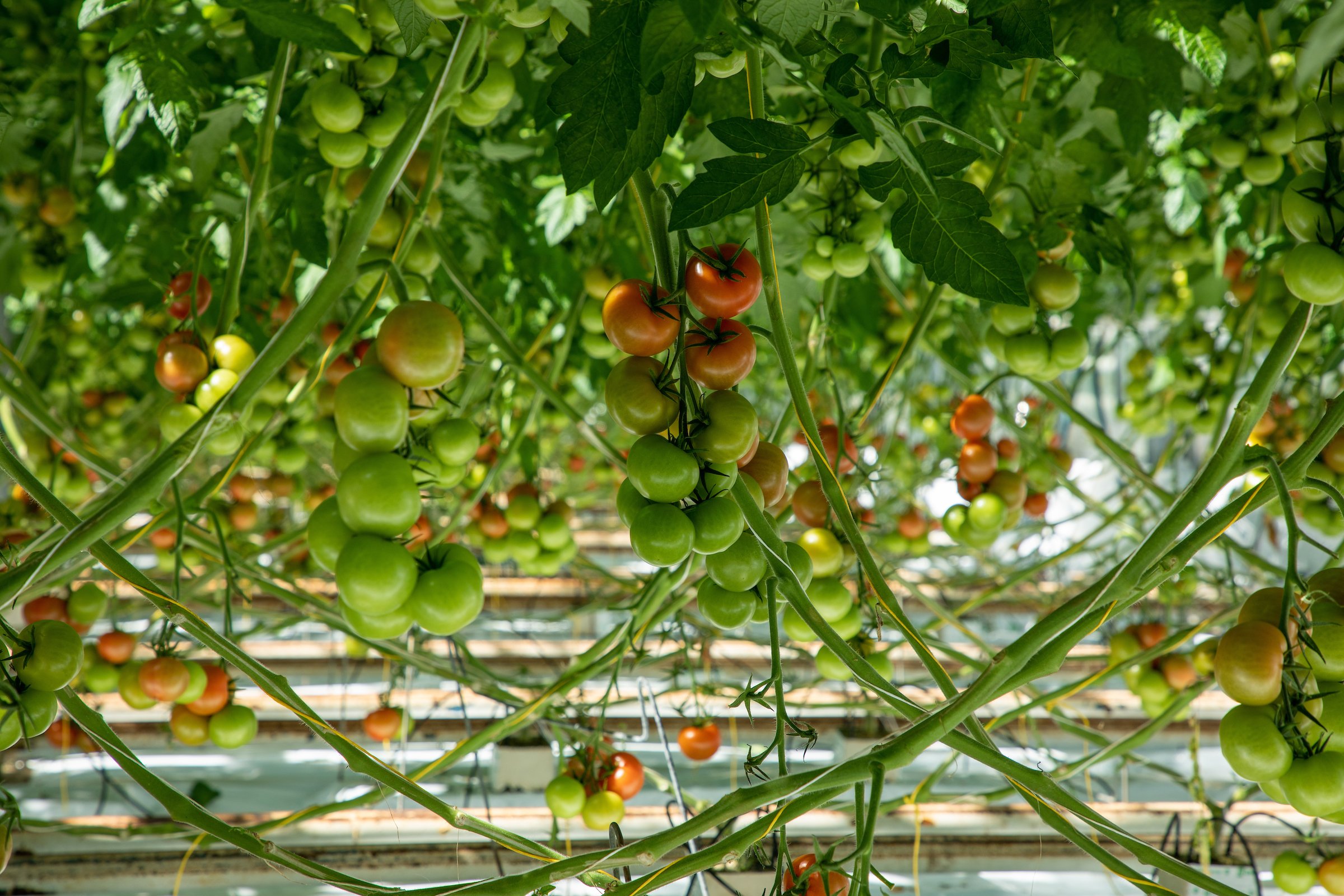
The 2026 British Tomato Conference
will take place on Thursday 24th September!
Location: The Oxford Belfry Hotel, OX9 2JW.

The annual British Tomato Conference is the highlight of the Protected Edibles calendar.
This event is a unique occasion that brings together growers, suppliers, allied industries, researchers and more to network, listen to an engaging and varied programme of speakers, and visit trade stands showcasing the latest products and services available to industry.
Find the programme below!
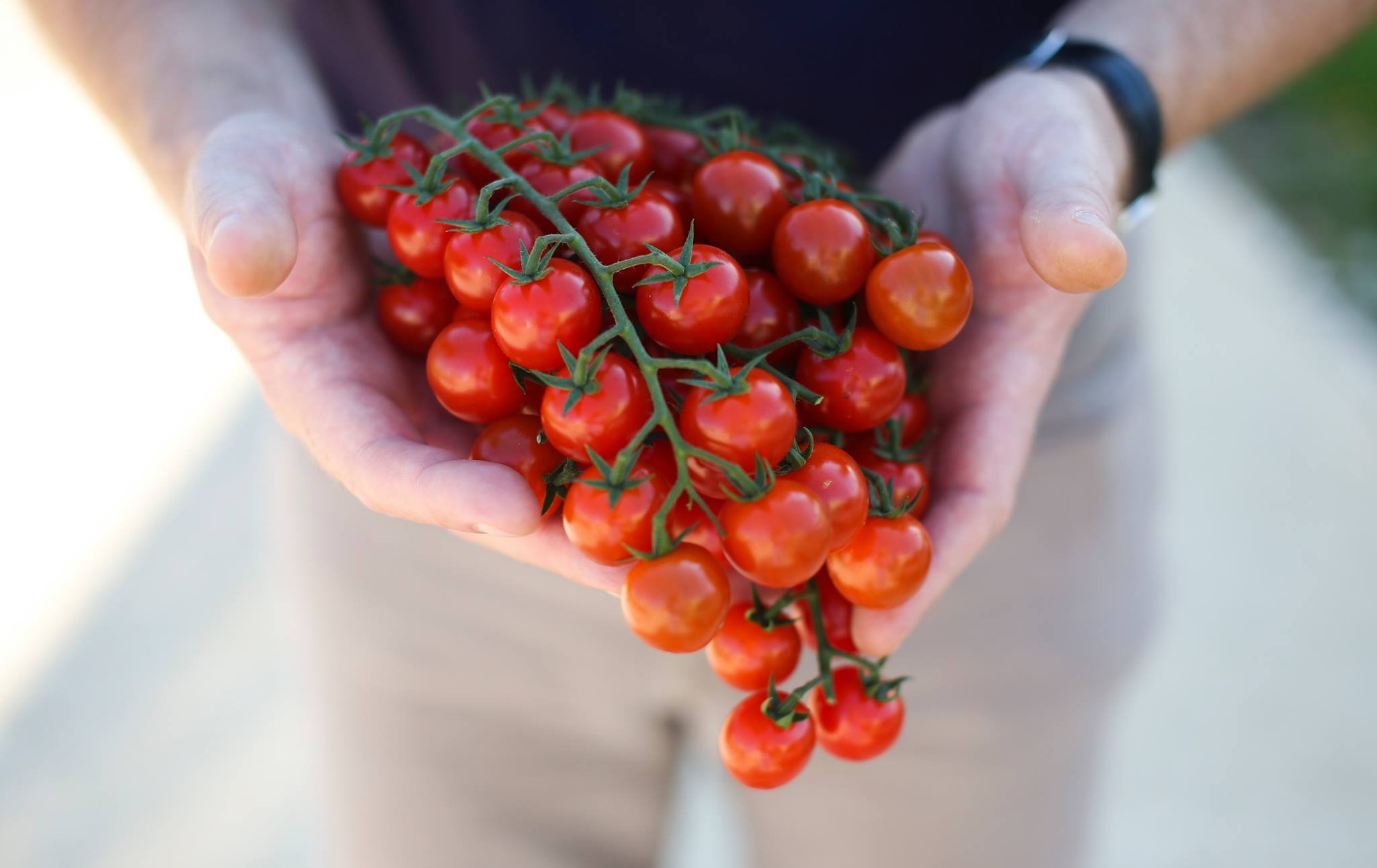
The British Tomato Conference is made possible with the support of wonderful trade stands and sponsors.
Special thanks to BASF | Nunhems for being our Main Sponsor for 2026!










Sponsorship and Trade Stand Packages are now sold out
Express your interest in exhibiting at our 2027 event by emailing: nat.key@britishtomatoes.co.uk
Programme
8.30am registration opens, 9.20am start
Chair - Simon Conway (British Tomato Growers’ Association Chair)
A word from our main sponsor - BASF | Nunhems
Policy Under the Microscope: EFRA Committee’s Perspective for Growers - Alister Carmichael MP
A Shadow Defra Viewpoint on Protected Edibles - Robbie Moore MP
Strengthening UK Production: Competitiveness, Labour, and Energy - Martin Emmett (NFU)
Political panel: Politics in the Greenhouse - Supporting and Shaping the Future of Glasshouse Growing
BREAK
The UK Tomato Market: Trends, Pressures, and Consumer Behaviour - Clara Tucker (Worldpanel by Numerator - previously Kantar)
British Tomato Fortnight Campaign 2026 review - Amelie Wolf (Jack & Grace Communications)
Water, Regulation, and Resilience: Navigating Water Pressures in Tomato Production
Water in policy – Mark Betson (NFU)
Closing the Loop: Dutch Insights on Water Recirculation for Sustainable Tomato Production – Jim van Ruijven (Wageningen)
BREAK
ToBRFV on the Move: Mutations, Resistance Breakdown, and Horizon Scanning - Adrian Fox (Fera)
Quick‑Fire Tomato Taster Sessions: New Tech & Developments in 10 Minutes!
Geothermal as an Energy Source for Glasshouses – Dave Waters (Paetoro)
CO2 Capture from Biomass – Gordon Brown (Noxcon)
Building Glasshouses for the Future – Certhon
Developing Robotic Tomato Harvesting – Duncan Robertson (Dogtooth)
AI Integration for Crop Scouting - Charles Veys (Fotenix)
Tailored to the Glasshouse: Fast‑Track Breeding for Modern Tomato Environments (Phytoform)
Technical panel: What does the Future of Tomato Production Look Like in the UK?
4pm finish
EVENING from 6pm
Drinks reception and conference dinner
Pre-Dinner Speaker – Guy Ousey



Speaker Bios
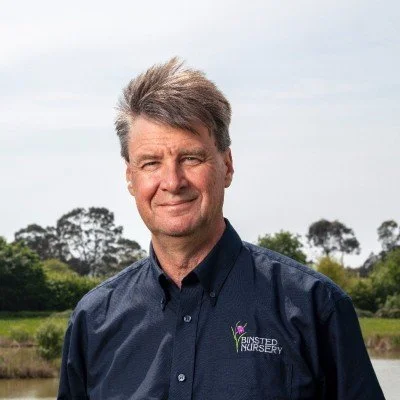
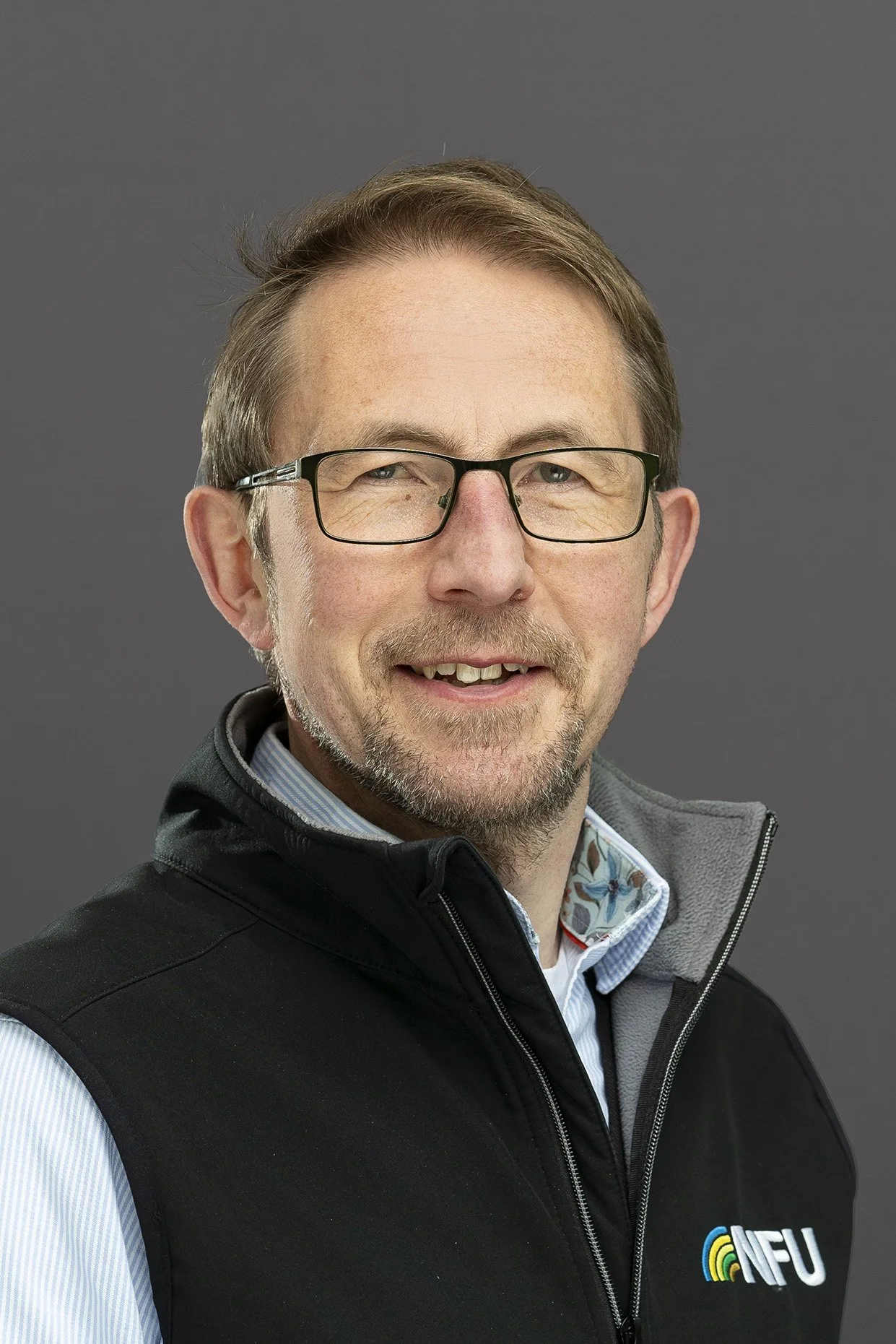
Martin Emmett
Chair of the Horticulture and Potatoes NFU Board. Director at Farplants, Trustee of LSA Charitable Trust
Specialist in horticultural technical training and business development. A Director of Binsted Nursery, Fleurie Nursery and Walberton Nursery (ornamental plant producers and members of the Farplants Group). Extensive interest in research and training, Board member of AHDB Horticulture and Chair of their Nursery Stock Sector Panel (from 2014). Lecturer on the Kew Diploma course. Consultancy services specialise in development and delivery of training solutions worldwide for all sectors of horticulture.
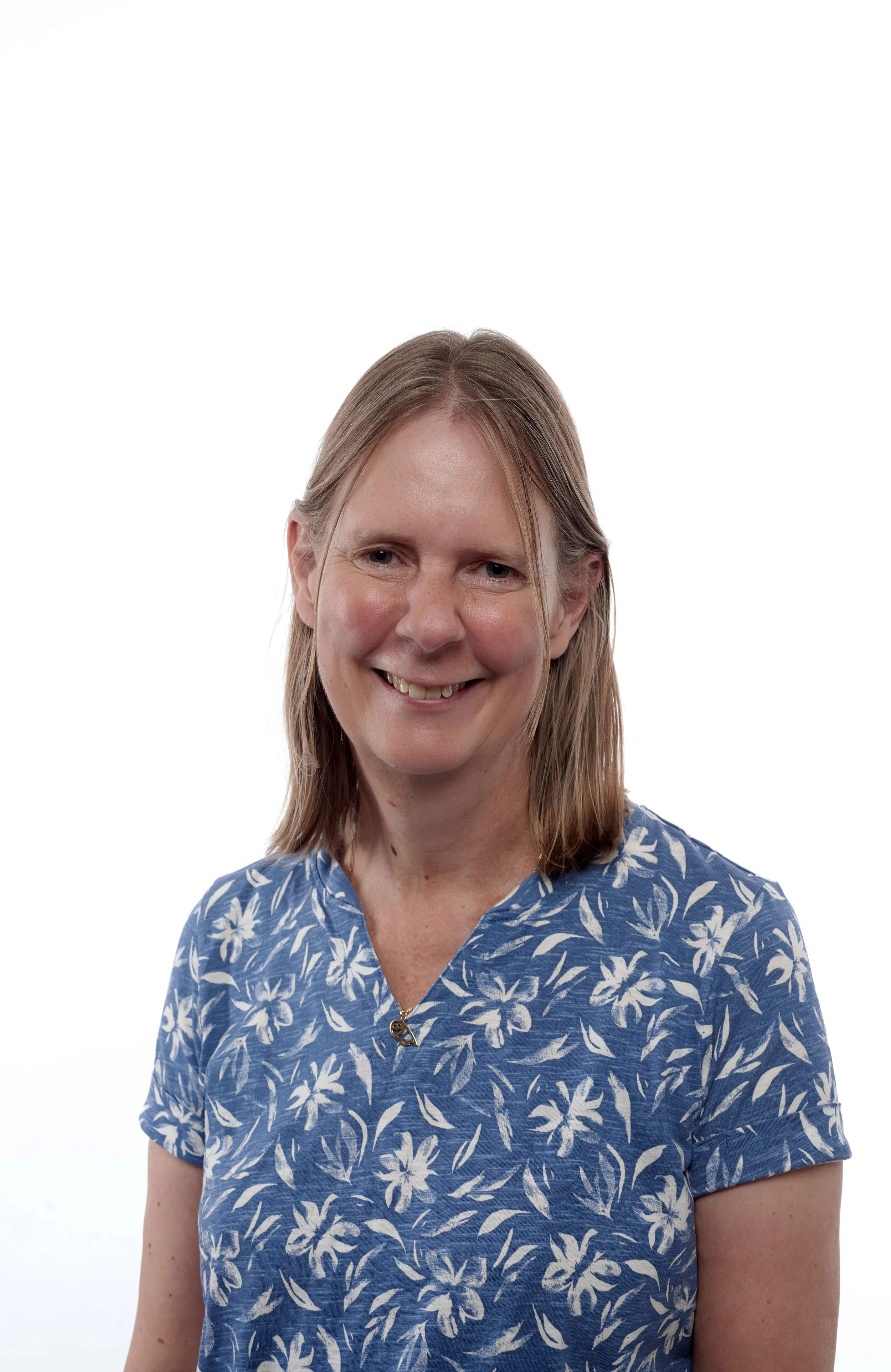
Clara Tucker
Clara is a consumer insight director at Worldpanel, working with a range of produce suppliers to put panel data and insights at the heart of business decisions. With experience across multiple FMCG companies and agencies, they will share the latest on tomato performance in the retail landscape and the shopper behaviour behind these trends.
Amelie Wolf
Amelie is a Senior Account Manager at Jack & Grace, the long-term communications partner of the British Tomato Growers' Association (BTGA). As part of her work on British Tomato Fortnight, Amelie helps engage key consumer audiences, championing British tomato growers and showcasing what makes British tomatoes the best in the world.
Mark Betson
Mark has been part of the water unit in the Environment Team since joining the NFU at the start of 2024. He leads on issues relating to water resources including drought, abstraction licencing and business water use, liaising with the EA and water companies in support of agriculture. Mark sits on the Leadership Board for the National Framework for Water Resources and jointly chairs the agriculture subgroup of the National Drought Group. He has a background as a National Public Policy Adviser working on environment and land use for the Church of England and as an environmental consultant with ADAS.
Anna Skelton
Anna Skelton is a senior virology diagnostician at Fera Science Ltd. She has 25 years’ experience of working in plant virology diagnostics. The virology diagnostics team at Fera delivers a high-quality service, to UK and overseas government and commercial customers, using a range of diagnostic techniques covering viruses, viroids and phytoplasmas.
Anna has authored or co-authored over 60 peer-reviewed papers and New Disease Reports. She has also led on several R&D projects, including AHDB funded projects on ToBRFV survival and disinfection, and the spread and detection of ToBRFV. She is currently working with Mary Mynett on the Defra funded project investigating potential differences in the diagnostics of ToBRFV in resistant tomato varieties.
Mary Mynett
Mary Mynett is the molecular delivery manager for the virology team at Fera Science Ltd where she oversees the day-to-day testing and reporting of results including ToBRFV samples for both commercial and statutory customers. She has 5 years of experience of working in plant virology diagnostics. During her time at Fera she has led on the EUPHRESCO ToBRFV Soils project which has investigated the transmission and survival of ToBRFV in organic soils. Currently she is working alongside Anna Skelton on the FPPH funded project investigating potential differences in the diagnostics of ToBRFV in resistant tomato varieties.
Dave Waters
I am director of Paetoro Consulting UK Ltd, and a geological resource explorationist, including hydrocarbon, geothermal and mineral resource. Born in New Zealand, I came to the UK in 1989 to complete a PhD in Earth Science – married and stayed.
I have had 25 years in industry with seven companies, and 10 years, since 2016, as director of my own company.
My focus is on how subsurface resource at both the large and project scale can help activate an energy transition – a radical downshift in fossil fuel combustion.
There are certain needs in common for different types of subsurface resource development, and certain fundamental earth processes that are vital to them all. Not only that but there are shared interactions with the commercial world that are crucial.
I work to honestly communicate both the potential and the problems of various subsurface resources to those who may be less familiar with them, and who seek new and sustainable low carbon directions.
Robin Klamer
Robin Klamer is technical consultant at Certhon, specializing in energy and sustainability. Holding a master’s degree in Plant Sciences and Plant Biotechnology from Wageningen University & Research, he combines expertise in crop physiology, greenhouse engineering and system modelling to develop future-proof growing systems.
Certhon designs and delivers complete greenhouse solutions, integrating greenhouse construction, climate control, irrigation, lighting, energy, and automation into one growing environment. Every system engineered as one, built to maximize performance.
For Robin, sustainability means building systems that remain viable and competitive in the long term. He works with growers to turn their challenges into practical solutions, identifying where technology can reduce resource use and strengthen operations, while recognising innovation is not the goal itself. In his presentation, The Future of Tomato Growing in the UK, Robin will explore how growers can future proof their operations against energy and water constraints, climate change, and labour challenges.
Antony Chapman
Dr Antony V. E. Chapman is Lead Tomato Genome Engineer at Phytoform Labs, where he leads the development of precision bred elite tomato varieties addressing commercial production challenges. He has over 15 years’ experience in plant genetics, spanning academic research and commercial crop development.
Antony began his career studying the genetic basis of plant disease resistance before moving into industry, where he specialises in applying CRISPR precision breeding to accelerate tomato improvement. His work focuses on translating genetic discoveries into practical traits for growers, breeders and the wider supply chain.
He has led the development of several pre-commercial tomato traits, including the introduction of jointless fruit architecture into beefsteak varieties for the Florida fresh market and the transfer of Phytoform’s proprietary Tiny Tomato trait into European germplasm for glasshouse production. His broader interest is using precision breeding to develop tomato varieties tailored to emerging production systems and changing grower needs.